

Escape to Nature
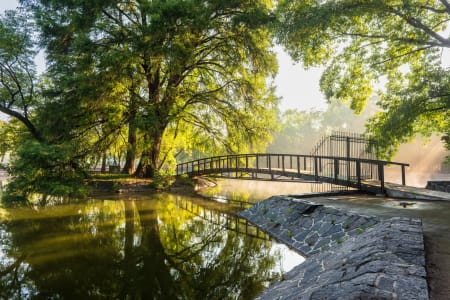
With over 1,600 acres of forest, twice the size of New York’s Central Park, Chapultepec feels a world away from the traffic-clogged streets, pollution and urban sprawl that characterizes much of Mexico City.
A walk through the park passes idyllic lakes, neatly paved pathways for jogging or cycling, and an abundant forest.
Inside the park, the Botanical Garden contains over 300 species of plants from across Mexico’s landscapes. Over forty tree species in the forest help maintain a healthy biodiversity, with the park home to several giant Montezuma Cypress trees considered sacred in indigenous culture.
Chapultepec Forest makes a vital contribution to the environment of Mexico City, stabilizing the climate, reducing air pollution, and providing a home to dozens of species of birds and other wildlife.
World Class Urban Park
In 1895, President Porfirio Díaz established a commission to transform Chapultepec Forest into a recreational park.
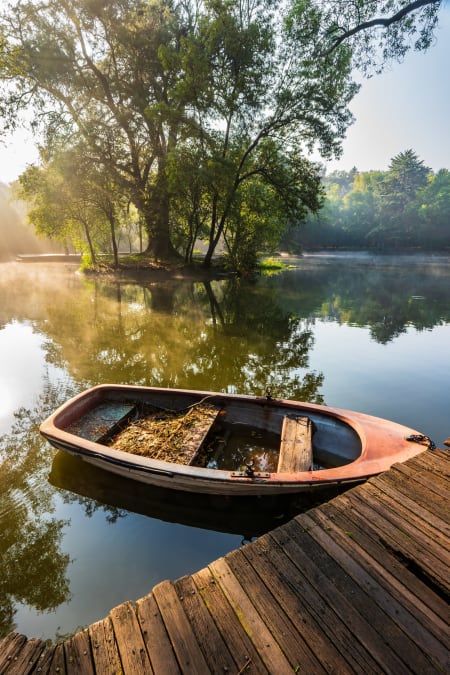
As with many of Mexico City’s constructions from this era, the plans for the park took inspiration from Paris, in this case the Bois de Boulogne park near the Eiffel Tower. The park’s two artificial lakes were constructed and the terrain landscaped.
Throughout the 20th century, crowds of Mexico City’s residents eager to escape the chaos of the city for an afternoon flocked to the green open spaces of Chapultepec Park.
Just outside of the park gates, the opening of several world-class museums, including the National Museum of Anthropology, as well as the Auditoria Nacional concert hall helped to define the area as a preeminent cultural center in the city.
In the 1960s and 70s, the park expanded westwards with the opening of the second and third sections. In the 21st century, significant investment in renovating the park over two decades resulted in Chapultepec being awarded the World Urban Parks’ Gold Award in 2019.